

HOW THIS DIFFERS FROM
C-SUITE ADVISORY
"The best time to start thinking like an executive is before everyone expects you to."

THE INFLECTION POINT
The work changes
faster than anyone
warned you.
"You've been excellent at execution. You deliver. People respect you. And then the nature of the work shifts — and the skills that made you successful start to feel insufficient."
This is not a performance problem. It's a transition problem. And it's exactly the right time to get intentional about how you're developing as a leader.
The leaders who navigate this transition well don't wait until they're in the C-Suite to start thinking like one. They get ahead of it.
The problems become less defined
Execution-level challenges have clear parameters. Enterprise-level challenges don't. Learning to navigate ambiguity without losing momentum is a skill that has to be built.
The decisions carry more consequence
Share your feature information here to attract new clients. Provide a brief summary to help visitors understand the context and background.
The people dynamics get harder
Managing up, navigating politics, building cross-functional influence — these require a different set of instincts than managing a team that reports to you.
Your defaults start to create risk
The habits that made you excellent at one level can become liabilities at the next. The leaders who catch this early are the ones who arrive ready.
THE WORK
Three shifts that define the
executive transition.
This work is personal development with a performance edge. You'll grow as a person and show up differently as a leader. At this level, those things aren't in conflict, they're the same thing.
From execution
To Perspective
Describe the team member here. Write a brief description of their role and responsibilities, or a short bio with a background summary.
From being managed
To Managing Up
As the stakes increase, so does the complexity of the relationships around you. Navigating board members, senior stakeholders, and organizational politics is a skill — and most leaders figure it out too late, at too high a cost.
From proving yourself
To Knowing Yourself
The leaders who stall are often the ones who never built a clear picture of how they operate under pressure, where their defaults create risk, and what they need to keep growing. That clarity is what this work builds.
WHO THIS IS FOR
For Leaders
with line of sight to the top.
01
The Identified High-Potential
You've been named in succession conversations. You know an opportunity is coming. You want to make sure you're genuinely ready when it does — not just credentialed on paper.
02
The Leader Feeling the Gap
You're already in a stretch role and sensing the distance between where you are and where you need to be. The work is to close that gap deliberately, not reactively.
03
The VP or SVP with Ambition
You're 1–3 levels below the C-Suite, performing well, and serious about what comes next. You want a thinking partner who has actually sat at the table you're working toward.
04
The Strong Operator in New Territory
You've built your career on execution excellence. Now the game has changed — more ambiguity, more visibility, more complexity. The instincts that got you here need to evolve.
For CEOs & CHROs Investing in a Specific Leader
Sometimes the most valuable thing you can do for a high-potential on your team is give them access to a thinking partner who operates at the level they're heading toward. This is not a generic leadership program. It's a focused, high-signal engagement built around one person's real situation, and the organization's real investment in their future.
HOW IT'S DIFFERENT
A Thinking Partnership
Not just a program.
Most leadership development happens in groups, follows a fixed curriculum, and treats everyone the same. This doesn't. This is a thinking partnership built around your real situation, and where you're actually trying to go.
Executive Presence & Stakeholder Influence
Blind Spot Identification & Risk Awareness
Leadership Presence Under Pressure
Decision-Making Under Ambiguity
Navigating Organizational Politics
Career Transition Strategy
Managing Up & Board-Level Communication
Building Cross-Functional Authority
Influence Without Authority
Because Experience Matters
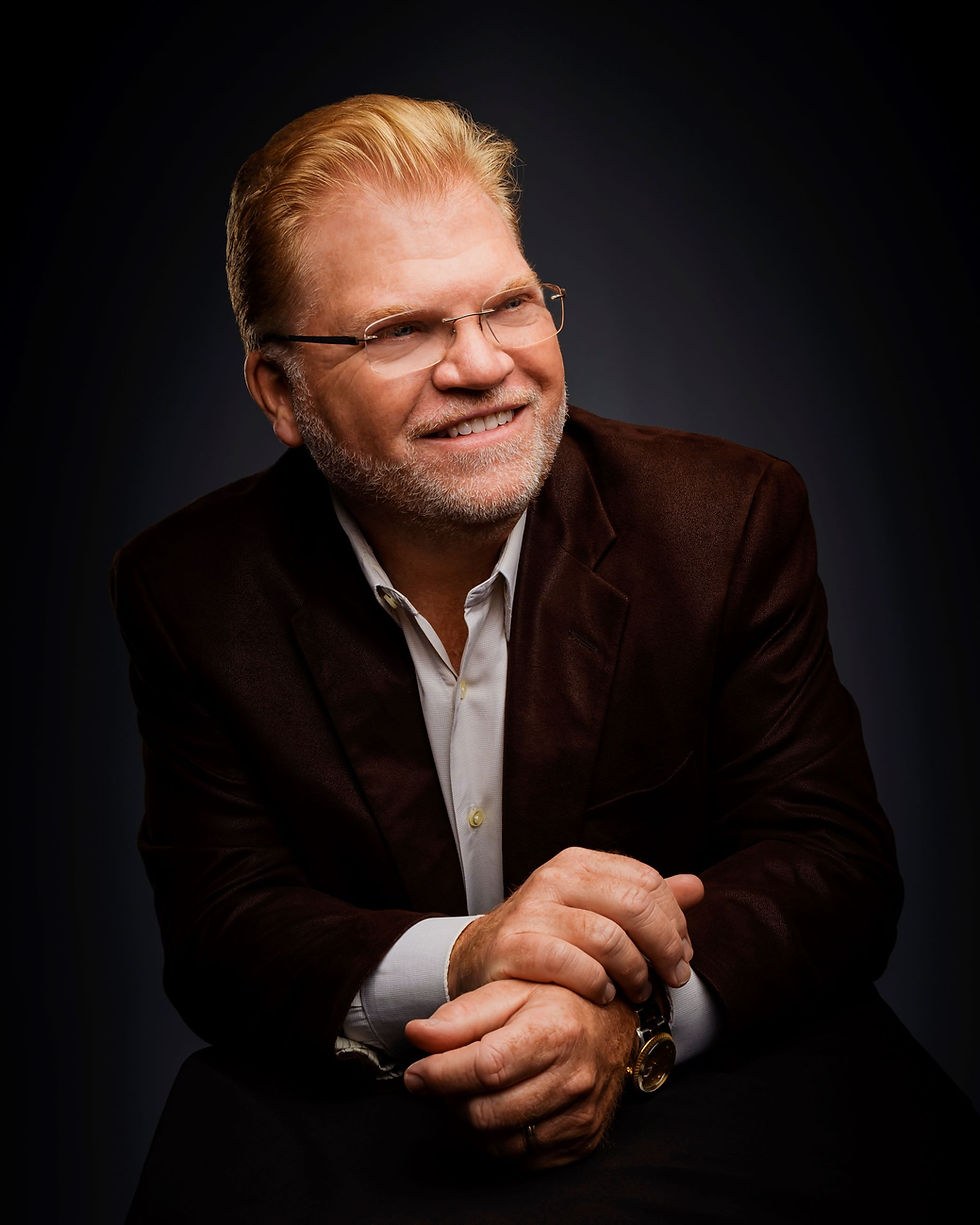
Chris Palmer has spent over 30 years building and developing executive teams inside complex, high-stakes organizations. He knows what the C-Suite actually requires not theoretically, but from having lived it. That perspective is what he brings to every emerging leader he works with.


Grounded in Your Real Situation
Sessions are built around what's most live for you — the decisions you're navigating, the relationships you're managing, the gaps you're trying to close. Not a fixed agenda.
Direct, Not Developmental
The conversations are honest. You'll hear things a manager or mentor won't tell you — because the value of an outside advisor is precisely that they have no political stake in how you hear it.
Altitude-Matched Perspective
The advisor you work with has sat on the leadership team, navigated board dynamics, and made the decisions you're preparing for. The perspective is earned, not theoretical.
Personal Development With a Performance Edge
You'll grow as a person and show up differently as a leader. At this level, those things aren't in conflict — investing in how you think is the highest-return investment you can make in your career.
THE ENGAGEMENT
Structured for
real development.
Engagements are structured as 6 or 12-month commitments depending on where you are in your development and what you're working toward. The 12-month engagement is recommended for leaders preparing for a significant step — the first six months to surface patterns and build new ones, the second six to embed and expand them into higher-stakes situations.
6 Months
Focused Engagement
For leaders investing in a more fundamental shift in how they think and lead. Two phases, the first to surface and shift patterns, the second to embed and expand them. This is where the deepest change happens.
12 Months
Full Development Engagement
As the stakes increase, so does the complexity of the relationships around you. Navigating board members, senior stakeholders, and organizational politics is a skill — and most leaders figure it out too late, at too high a cost.
Personal development
with a performance edge.
Think more clearly under pressure and ambiguity
Navigate upward and lateral relationships with confidence
Know where your defaults create risk before they surface publicly
Arrive at the next level ready, not reactive, but prepared
Lead with the conviction that comes from genuine self-knowledge
BEGIN HERE
The best time to invest in how you think is before you have to.
If this resonates for yourself or for someone on your team, the first step is a focused conversation to see if there's a genuine fit.
Both of our time matters. We'll know quickly.
Engagements are selective. Individual and sponsored arrangements available.

Let's Work Together
© 2026 Chris Palmer
Office (810) 937 2460